At Eye Surgery Institute, our experienced team provides comprehensive ophthalmology and optometry services to Dearborn residents. As a trusted eye doctor in Dearborn, we bring over 60 years of experience to address all your vision needs in one convenient location. From routine eye exams to advanced surgical procedures, we offer exceptional care in a comfortable, patient-centered environment.
More About Us

Our Mission
We believe everyone deserves to experience life with clear vision. Our mission is to provide personalized eye care that enhances your quality of life. We stay at the forefront of ophthalmology and optometry, utilizing advanced diagnostic techniques and treatment options. By combining medical expertise with compassionate care, we build lasting relationships with our patients, ensuring your vision remains healthy throughout every stage of life.
Serving Residents of Dearborn for More than 60 Years
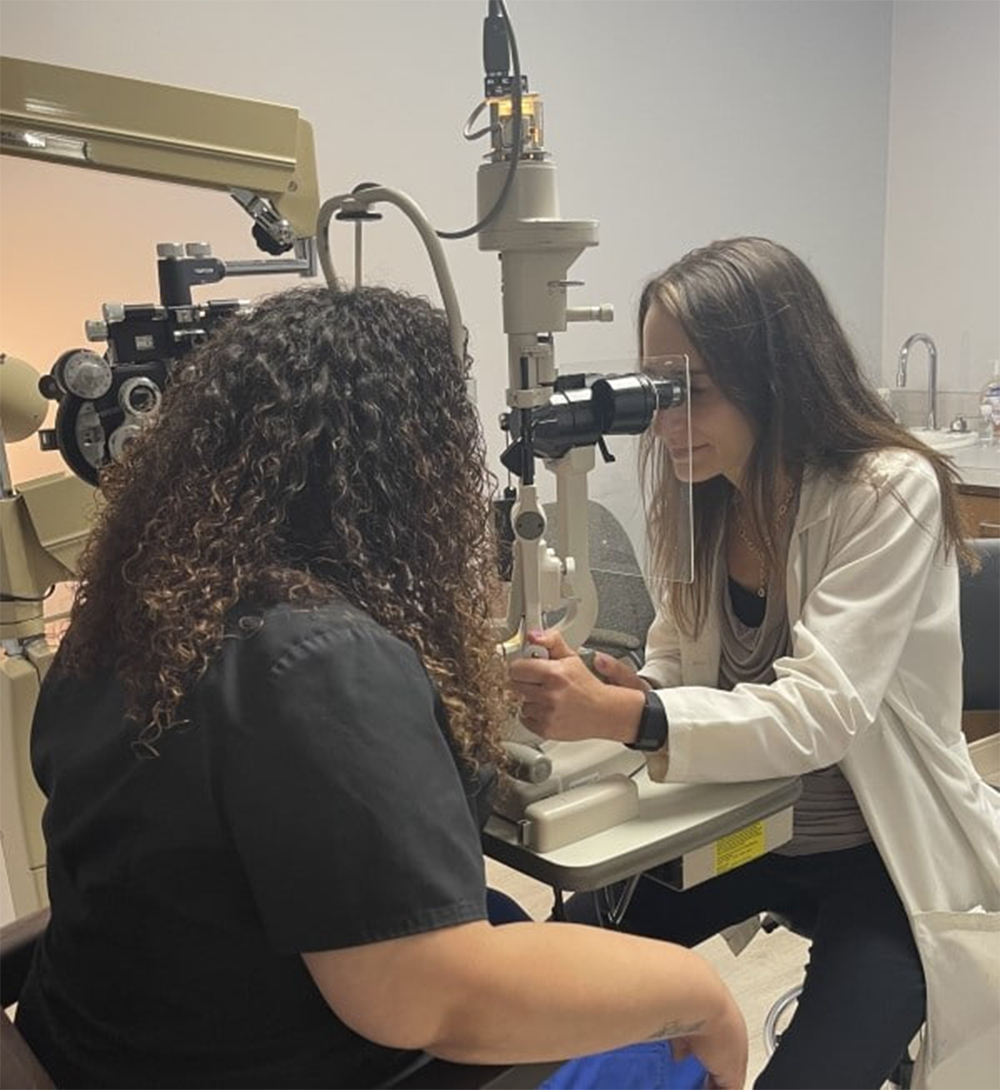
Sight is often considered one of the most important senses. Impaired vision can be troublesome and can be a major inconvenience when it starts to affect your independence and everyday life. The Eye Surgery Institute in Dearborn, MI, is the place to go if you are searching for cataract surgery or general eye doctors in Detroit, Michigan.
We have more than 60 years of experience providing eye exams, cataract surgery and other procedures to residents throughout the area, including Lasik surgery that can restore your vision and eliminate the need for contacts or glasses. We are a full service ophthalmologist practice in Dearborn with a staff of some of the best eye doctors in the area.
Call Us 313-582-8856
Why Choose Us
Our Dearborn eye doctors combine clinical excellence with personalized care, making your vision needs our priority.
Meet the Doctors
The Eye Surgery Institute is proud to make Dearborn, MI, our home and to offer exceptional eye care. Our team is orchestrated by professionals who combine advanced medical training with a genuine commitment to patient care.
Together, our eye doctors provide a perfect blend of preventative care, medical treatment, and surgical intervention, ensuring all your vision needs are addressed by specialists who truly care about your outcomes and quality of life.
Meet The Doctors

Alaina Kronenberg, M.D.
Ophthalmologist
Dr. Alaina Kronenberg, M.D., our skilled Ophthalmologist, brings expertise in cataract surgery, glaucoma management, diabetic eye care, and refractive surgery.

Cindy Wang, O.D.
Medical Optometrist
Dr. Cindy Wang, O.D., serves as our Medical Optometrist, specializing in comprehensive eye exams, prescription eyewear, and ocular disease management.
Patient-Centered Approach
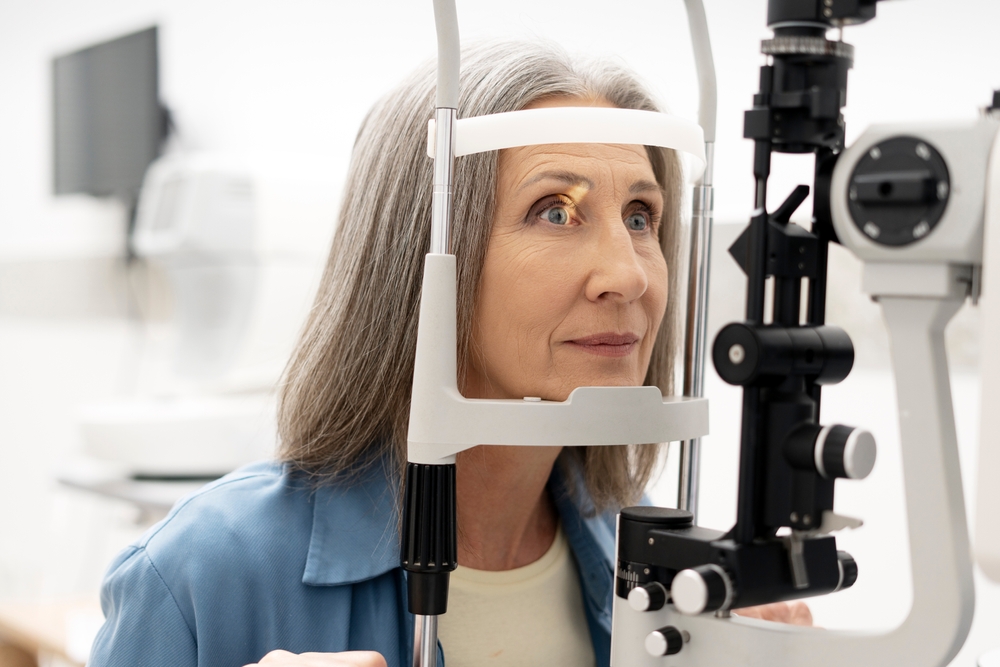
At the Eye Surgery Institute of Dearborn, MI, we believe effective eye care extends beyond clinical expertise to include a genuine understanding of each patient’s unique needs and concerns. Our eye doctor team in Dearborn approaches every appointment with attentive listening and thoughtful dialogue, ensuring you feel heard and valued throughout your journey.
Our patient-centered philosophy influences every aspect of our practice, from convenient scheduling and minimal wait times to clear communication about procedures and follow-up care. We understand that your time is valuable, and we respect your schedule by maintaining efficient appointments without sacrificing the quality of care or personal attention.
For patients with specific needs or anxieties about eye procedures, we offer additional support and accommodations. We believe creating a comfortable, supportive environment is essential to positive outcomes and patient satisfaction. This commitment to personalized care has earned us the trust and loyalty of generations of families throughout Dearborn and surrounding communities.
What does full-service practice mean?
You may have been searching through a long list of local eye doctors with uncertainty. If you feel as if you have hit a dead end in your search and are unsure of what services they offer, what services you need, and what conditions they treat, we are here for you. We are a full-service eye doctor in Dearborn, MI. Come see us for an eye exam and let our eye doctors help you correct your vision through whatever means necessary.
We can treat conditions like nearsightedness, farsightedness, astigmatism, glaucoma, diabetic retinopathy, macular degeneration, and cataracts. We offer cataract surgery and Lasik eye surgery for those who can’t resolve their eyesight through corrective lenses. We are the Eye Surgery Institute and are waiting to help you enjoy life again!
Comprehensive Services for Enhanced Vision
Our Services
Personal Treatments for Every Patient
Comprehensive Glaucoma Care
Advanced Diagnostics and Detection
Early intervention is crucial for managing glaucoma effectively. Our specialized eye doctor team in Dearborn utilizes cutting-edge diagnostic equipment to detect glaucoma before permanent vision loss occurs. We perform a comprehensive evaluation designed to identify even subtle signs of this progressive condition.
We understand that glaucoma presents differently in each person, which is why we create tailored approaches using multiple diagnostic methods:
- Non-contact tonometry to measure intraocular pressure
- Advanced optical coherence tomography for retinal nerve fiber analysis
- Computerized visual field testing to evaluate peripheral vision
- Gonioscopy to inspect the drainage angle structures
- Corneal thickness measurements to properly interpret pressure readings
Treatment Approaches
Every glaucoma treatment plan begins with the most conservative options appropriate for your situation. Our Dearborn eye doctors will discuss all available interventions and help you make informed decisions about your care.
Treatment recommendations are based on glaucoma type, severity, and your lifestyle considerations. We offer a comprehensive range of options:
- Pharmaceutical therapies with specialized eye drops
- Selective laser trabeculoplasty to enhance natural drainage
- Microinvasive glaucoma surgery (MIGS) procedures
- Traditional filtering surgeries, when indicated
- Implantable devices for pressure regulation
With proper management, most patients maintain good quality vision for life. Our eye doctors provide practical recommendations to help you successfully navigate life with glaucoma, including medication adherence techniques that protect your vision.
Cataract Treatment
Cataracts develop as a natural part of aging, gradually clouding the lens and diminishing visual clarity. Our Dearborn eye doctor utilizes state-of-the-art diagnostic equipment to assess the extent and progression of your cataracts with precision.
Today’s cataract treatment options offer remarkable results that weren’t possible just a decade ago. We can now remove the clouded lens and replace it with a premium artificial lens that may even improve upon your pre-cataract vision.
Advanced Surgical Options
- Multifocal lens implants for reduced glasses dependency
- Laser-assisted techniques for enhanced precision
- Astigmatism correction during the same procedure
- Dropless options to simplify your post-surgical routine
- Bladeless surgical approaches for optimal outcomes
The contemporary surgical experience is remarkably efficient and comfortable. Most patients express surprise at how quick and painless the entire process proves to be.
The transformation after cataract surgery often feels remarkable to patients. Many describe their post-surgical vision as brighter and more vivid than they’ve experienced in years. Benefits typically include:
- Potential freedom from glasses for distance or reading
- Restored vibrant color perception
- Enhanced ability to navigate in low-light conditions
- Renewed enjoyment of hobbies and social activities
- Improved overall visual confidence and independence
Glasses and Contacts
Finding the right vision solution starts with a comprehensive examination. Our Dearborn eye doctors conduct thorough testing to determine the precise prescription and recommend whether glasses, contacts, or a combination would serve you best.
Exploring Your Options
When it comes to corrective eyewear, the choices can seem overwhelming. Our eye doctors will guide you through the selection process, explaining the benefits of different lens materials, frame styles, and contact lens types.
Your personal preferences matter when choosing between glasses and contacts. Some patients prefer the convenience of contacts for active lifestyles, while others appreciate the fashion statement and protection that quality frames provide.
Advanced Contact Lens Solutions
Today’s contact lenses offer unprecedented comfort and visual clarity. During your appointment, we take precise measurements of your eye’s unique curvature and structure to ensure a perfect fit.
- Specialty toric lenses for astigmatism correction
- Multifocal designs for seamless near and far vision
- Breathable materials for sensitive eyes
- Extended wear options for approved patients
- Color-enhancing lenses for vibrant visual experiences
We specialize in fitting patients of our Dearborn community with contact lenses that provide comfort instead of irritation. Using advanced diagnostic technology, we can address issues like dry eyes or irregular corneas that might have made contacts uncomfortable in the past.
Innovative Eyeglass Technology
Modern eyeglasses offer far more than just vision correction. We can recommend specialized lens treatments and frame features to enhance your visual experience.
- Digital progressive lenses for seamless transitions
- Photochromic technology that adjusts to lighting conditions
- Premium coatings that reduce glare and eye strain
- Ultralight materials for all-day wearing comfort
- Impact-resistant options for active individuals
The right frame selection is both a fashion choice and a functional decision. Our eye doctors of Dearborn, MI, work alongside skilled opticians to ensure your frames complement your face shape while properly supporting your prescription lenses.
Customized Solutions for Unique Vision Challenges
Not every vision situation fits standard solutions. Our experienced eye doctors specialize in addressing your complex vision needs with personalized approaches.
- Pediatric eyewear designed for growing faces
- Occupational lenses optimized for specific work environments
- Sports eyewear that enhances performance and safety
- Dry eye management integrated with vision correction
Our eye doctors of Dearborn, MI, remain dedicated to finding the perfect solution for your unique eyes. We combine medical expertise with personalized care to ensure your glasses and contacts provide the clearest, most comfortable vision possible for your daily life.

As Your Eye Doctor in Dearborn, We Provide Superior Vision Solutions
We take pride in offering a full range of treatment options to address all your eye care needs. Whether you require a routine eye examination, prescription eyewear, contact lens fittings, advanced diagnostics, or even surgical interventions, our dedicated team of professionals provides exceptional care and guidance.
Professional Affiliations
Our Dearborn-based eye doctors maintain active memberships with prestigious organizations, including the American Academy of Ophthalmology (AAO), National Optometric Association (NOA), American Optometric Association (AOA), and the American Diabetes Association (ADA). These affiliations ensure we stay current with the latest advancements in eye care through continuing education, peer collaboration, and access to cutting-edge research.
Our eye doctors regularly attend specialized training sessions and conferences, bringing back new techniques and approaches to benefit our patients. This dedication to continuous learning enables us to offer treatments that may not be available at practices less committed to staying at the forefront of eye care.

Experience Life with Clear Vision
Our Dearborn eye doctors are committed to helping you achieve and maintain optimal vision throughout your lifetime. Schedule your comprehensive eye examination today and discover the difference our experienced, caring approach can make for your eye health. Contact the Eye Surgery Institute to take the first step toward clearer, healthier vision.

FAQs
Do we accept appointments?
We highly recommend you make an appointment. If you are having an emergency or urgent issue, please call our office at 313-582-8856 as we do accept same day appointments. We offer convenient appointment times.
What should I bring to my first appointment?
Please bring your current glasses or contact lenses, a list of any medications you’re taking, your medical and vision insurance cards, and information about your family eye health history. Arriving 15 minutes early to complete necessary paperwork will help ensure a smooth visit.
Is it necessary to schedule an appointment to fill a glasses or contact lens prescription?
An appointment in our optical department is not necessary. We are open Monday through Friday. Wednesdays we are open 7:30am-5:00pm and Monday, Tuesday, Thursday and Friday we are open 9am-5pm.
What services do we offer?
We provide comprehensive eye care including management of cataracts including cataract surgery, glaucoma treatments, macular degeneration, diabetic eye care, dry eye management, allergies and red eyes, glasses and contact lenses including specialty contact lenses for keratoconus and post RK.
How often should I visit the ophthalmologist or optometrist?
For routine visits we recommend yearly examinations. Many patients that we care for have eye diseases such as glaucoma, cataracts and macular degeneration that require more frequent visits to properly manage their diseases.
How often should I have a comprehensive eye exam?
Our Dearborn-based community comes in on average once every 1-2 years. However, patients with conditions like diabetes, glaucoma, or a family history of eye disease may need more frequent examinations. Our eye doctors will recommend a personalized schedule based on your specific health needs and risk factors.
How long does a typical eye examination take?
A standard comprehensive eye exam typically takes 45-60 minutes. This includes testing visual acuity, eye movement, pressure testing, dilation, and a thorough examination of eye health. Specialized tests or first-time visits may take slightly longer as we establish your baseline eye health profile.
How long is a prescription valid for?
A glasses or contact lens prescription is valid for 1 year.
Can children receive eye care at your practice?
Yes, our eye doctors provide comprehensive vision care for patients of all ages, including children. We recommend children have their first eye exam at 6 months, another at age 3, and again before starting school. Regular eye exams are crucial for detecting and addressing vision issues that might affect learning and development.
Why do eye doctors dilate your eyes ?
Eye doctors dilate your eyes to gain a significantly better view of internal eye structures that aren’t fully visible during standard examinations. This allows for the early detection of serious conditions like glaucoma, diabetic retinopathy, macular degeneration, and retinal detachments before they cause permanent vision loss. Dilation is especially important for patients with risk factors such as a family history of health complications.